
Understanding Frequency, Wavelength, and Period: Definitions and Relationships
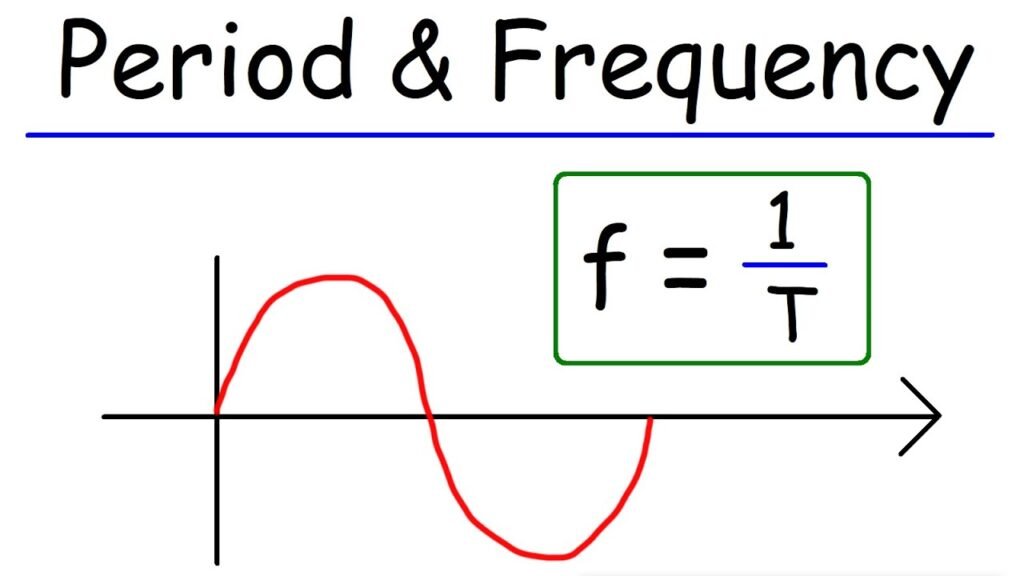
In the realm of physics and engineering, understanding the concepts of frequency, wavelength, and period is crucial. These fundamental properties describe various aspects of waves, from sound waves to electromagnetic radiation. This article aims to delve into the definitions of frequency, wavelength, and period, as well as explore their interrelationships. Frequency Definition: Frequency refers to […]
Understanding AC and DC Signals in Physics: A Comprehensive Overview

In the realm of electrical engineering and physics, alternating current (AC) and direct current (DC) are two fundamental concepts that underpin the functioning of numerous electronic devices and systems. Understanding the differences between AC and DC signals is crucial for engineers, physicists, and anyone involved in the design, analysis, and operation of electrical systems. This […]
Understanding the Key Differences Between Distance and Displacement
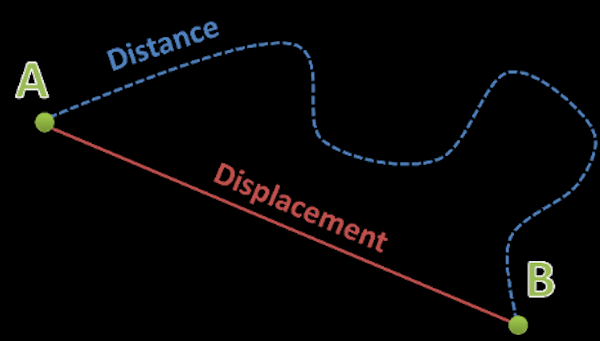
In the realm of physics and everyday motion, two fundamental concepts often encountered are distance and displacement. While these terms may seem interchangeable, they represent distinct quantities with significant differences. Understanding these disparities is crucial for grasping the essence of motion, whether in scientific contexts or practical applications. This article elucidates the key disparities between […]
Exploring the Differences Between Conventional and Non-Conventional Energy Sources
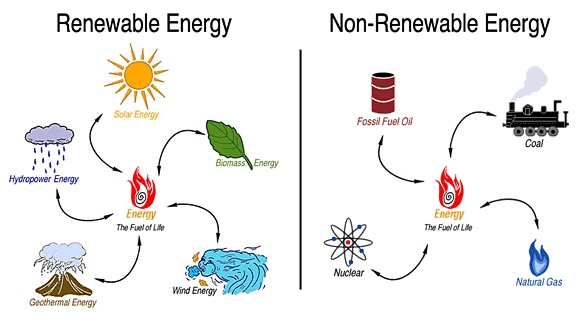
Energy is the backbone of modern civilisation, powering everything from our homes to our industries and transportation systems. However, the sources of energy we rely on can be broadly categorised into two main types: conventional and non-conventional. Understanding the differences between these two types of energy sources is crucial as we strive towards a more […]
Harnessing Solar Energy: The Power of the Sun as a Non-Conventional Energy Source

Solar energy, derived from the sun’s radiation, is one of the most abundant and sustainable sources of power available to humanity. Unlike conventional energy sources like fossil fuels, solar energy offers a clean and renewable alternative that can significantly reduce greenhouse gas emissions and mitigate the impacts of climate change. In this article, we delve […]
Barton’s Pendulum: A Fascinating Display of Physics
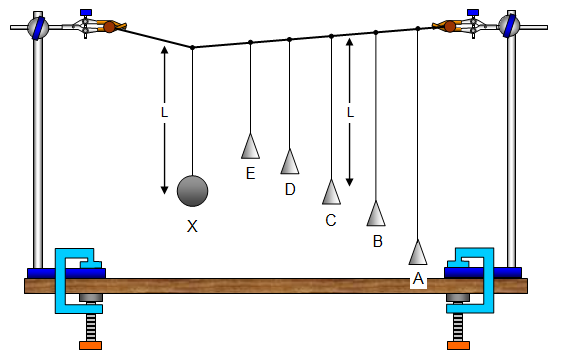
In the realm of physics, there exist numerous phenomena that captivate both the imagination and the intellect. Among these, Barton’s Pendulum stands out as a captivating demonstration of complex principles in motion, oscillation, and energy transfer. Named after the physicist Carl Barton who developed it in the 1950s, Barton’s Pendulum is not only a scientific […]
Exploring the Types of Resonance in Physics: A Comprehensive Overview
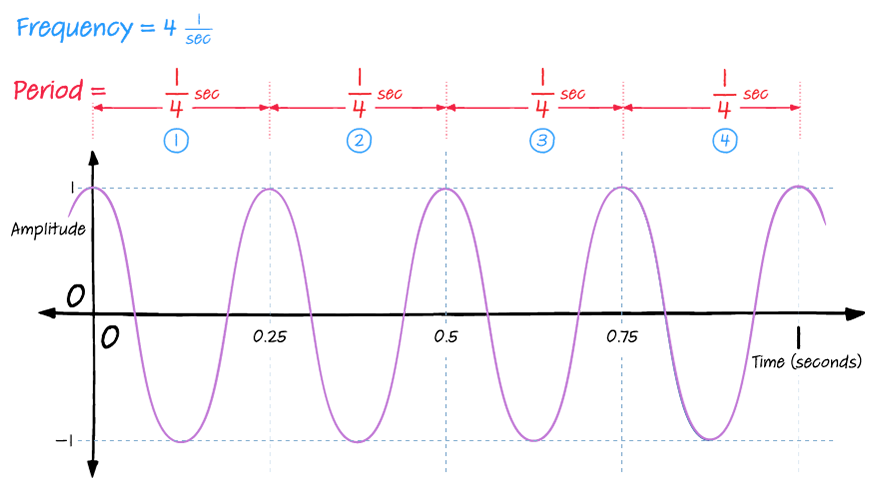
Resonance is a fundamental concept in physics that describes the phenomenon where a system vibrates with maximum amplitude at a certain frequency. It occurs when the frequency of an external force matches the natural frequency of the system, causing it to absorb energy efficiently. Resonance plays a crucial role in various physical phenomena, ranging from […]
Forced Oscillations: Understanding the Dynamics of External Influences
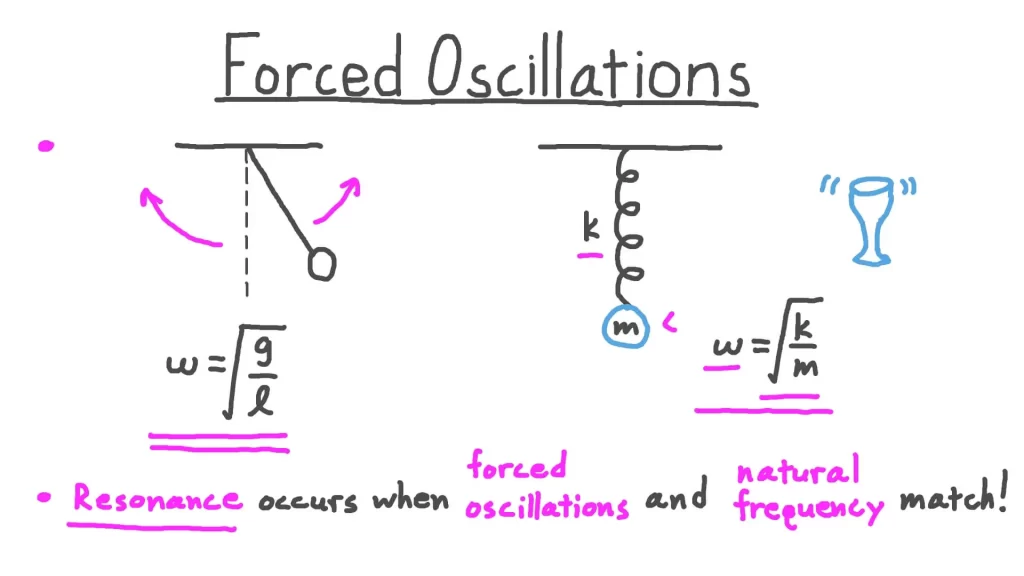
Oscillation, the repetitive variation typically observed in physical systems, plays a fundamental role in numerous natural phenomena and engineered systems. It manifests in a wide array of contexts, from the swaying of a pendulum to the vibration of a guitar string. One particularly intriguing aspect of oscillations is the concept of forced oscillations, where an […]
Difference between Distance and Displacement: A Fundamental Concept in Physics

In the realm of physics, the concepts of distance and displacement play crucial roles in describing the motion of objects. Both terms might seem similar at first glance, but they carry distinct meanings and are used in different contexts to analyse the movement of objects in space. Let’s delve deeper into these concepts, explore their […]
Work And Energy Class 9

Work and Energy ‘Work is said to be done when a force applied on an object causes displacement of the object.’ The work done by a force acting on an object is the product of the magnitude of the force and the displacement of the object in the direction of the force. Thus, Work = […]